Tag
45 articles
A class action lawsuit claims Oura's sleep-tracking technology provides inaccurate data, essentially offering users 'a coin flip's chance of being correct' when determining sleep stages.
Apple's rumored camera-equipped AirPods may be nearing reality, with a leaked video showing Visual Intelligence in action. The device appears to feature advanced computer vision capabilities.
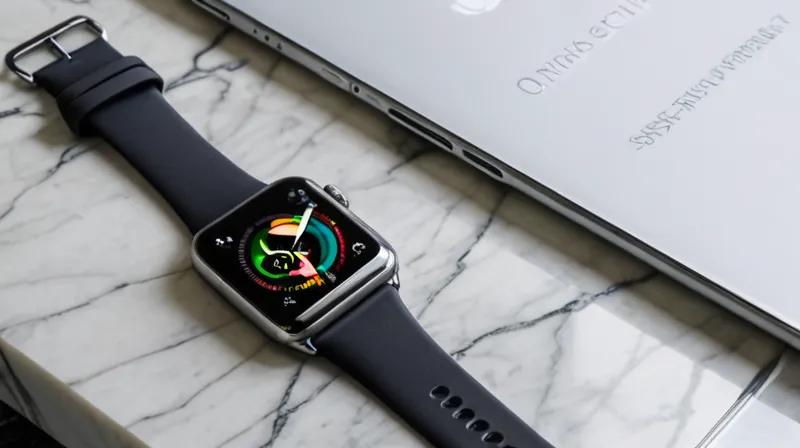
After three weeks of testing, the Apple Watch Ultra 3 and Samsung Galaxy Watch Ultra 2 both deliver exceptional rugged smartwatch performance, but app ecosystems make the difference.
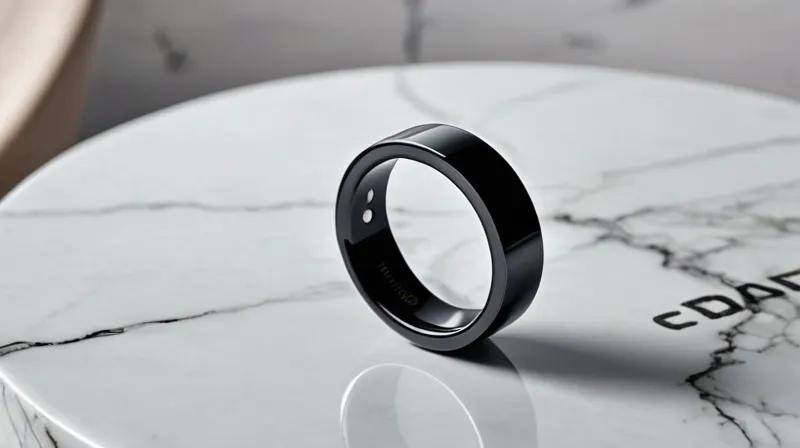
Smart rings are emerging as a compelling alternative to traditional voice assistants, offering discreet and intuitive AI interaction through wearable technology.
Meta is banning videos shot with its Ray-Ban smart glasses that are used to harass people, in response to the devices being labeled 'pervert glasses'.
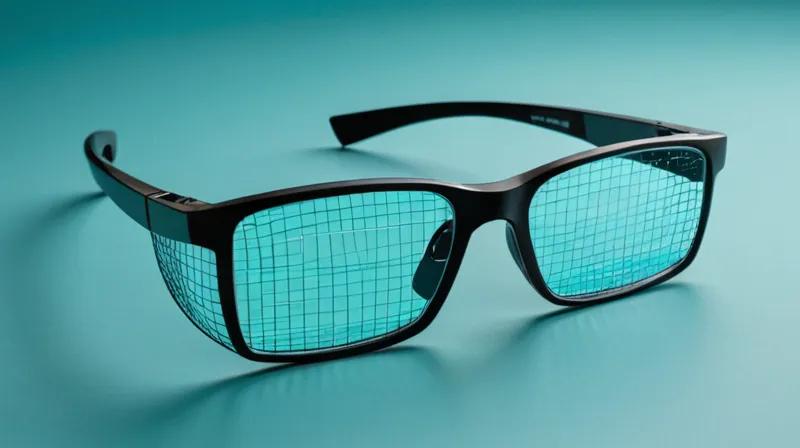
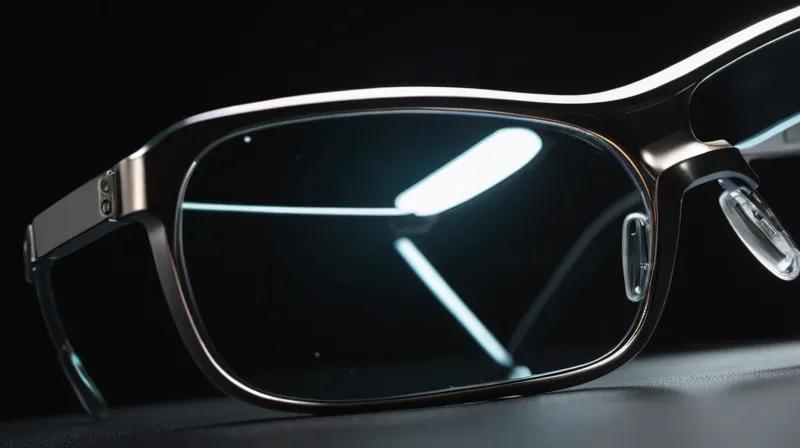
Learn to create a basic smart glasses interface using HTML, CSS, and JavaScript. This tutorial demonstrates how smart glasses might display information and interact with users.
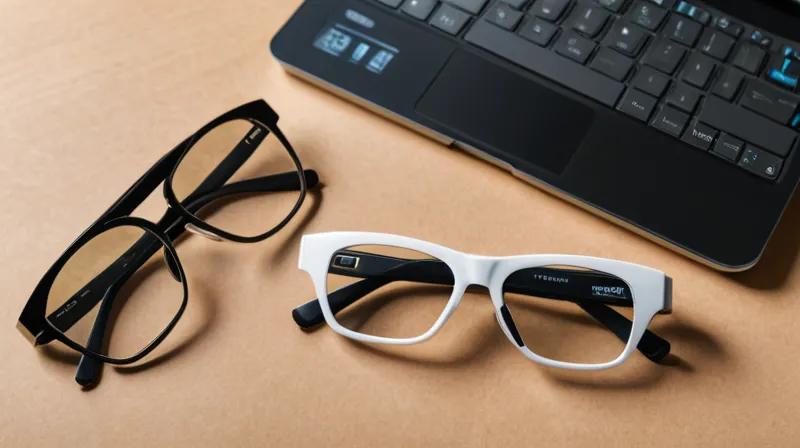
Halliday is attempting a comeback with its new G2 smart glasses, a camera-free device aimed at professionals and meeting environments. The company's original product was heavily criticized, but the G2 introduces significant improvements.
Halliday's latest smart glasses feature a much-improved display that addresses the usability issues of its predecessor, marking a significant step forward in wearable AR technology.
The European Commission has exempted wearable devices from battery rules requiring user-replaceable batteries, clearing a major hurdle for Meta's smart glasses and potentially affecting Nintendo's EU console launch.
The Ultrahuman Ring Pro offers comprehensive health monitoring but faces challenges with size, cost, and user experience that limit its appeal beyond serious biohackers.
While Neuralink focuses on invasive brain implants, China’s BrainCo is pioneering non-invasive, wearable brain-computer interfaces. This approach offers a safer, more accessible alternative to direct skull surgery.
Meta is testing AI-powered glasses that continuously record a user's day, raising significant privacy concerns while showcasing the company's push into wearable AI technology.